
Public Private Partnership Union (PPP Union)
International Administrative & Organizing Union for PPP and SDG Facilitation
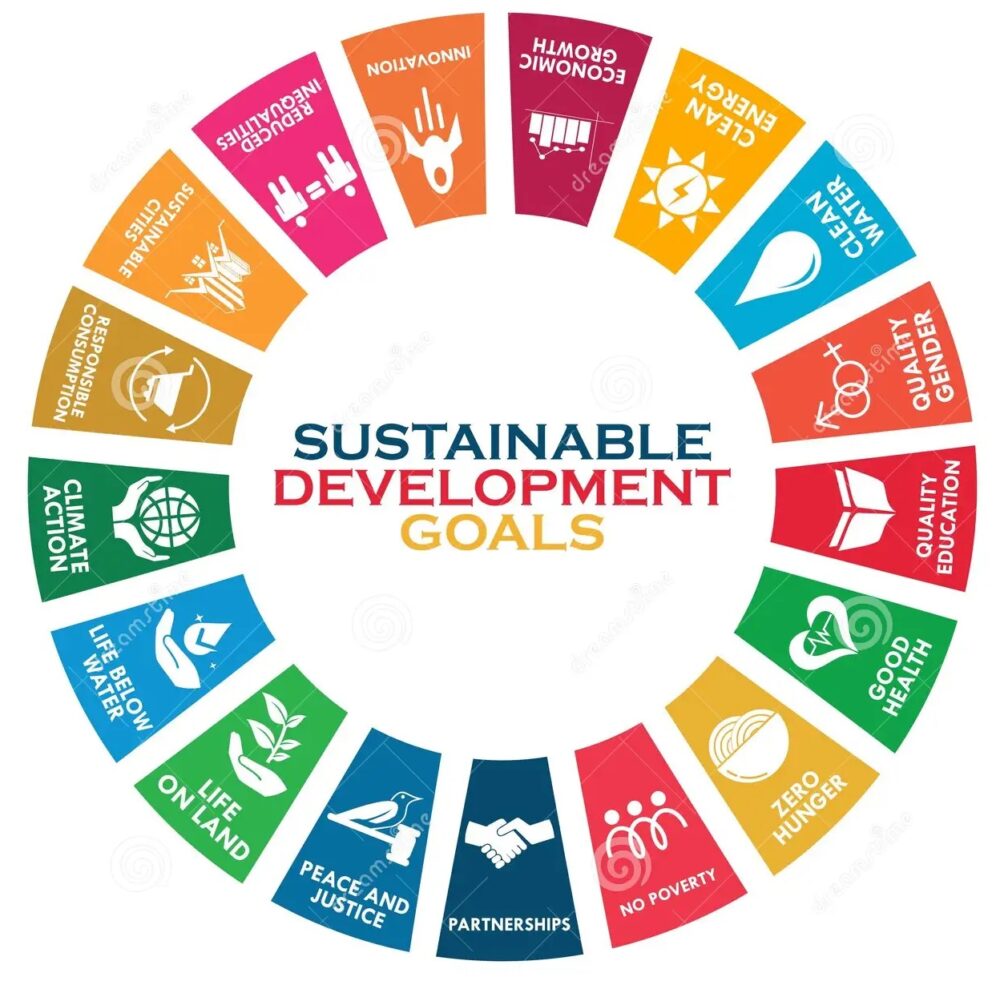
The Public Private Partnership Union (PPP Union) is an international administrative and organizing union dedicated to promoting global PPP knowledge and supporting social and economic development through projects aligned with the 17 United Nations Sustainable Development Goals (SDGs).
“The Union operates under international activity codes 7020002 and 7020003, in accordance with the Freedom of Association and Protection of the Right to Organize Convention (ILO Convention No. 87, 1948 – UN Law) and Article 12 of the Charter of Fundamental Rights of the European Union (2000 Edition – EU Law). These legal instruments formally recognize and authorize the establishment and operation of professional unions without requiring any additional licensing or governmental certification for their members, provided that the members already hold their respective professional licenses.
The Union further aligns its service framework with the United Nations 2030 Agenda, specifically the UN International 17 SDGs Services Support Order, Resolution A/RES/70/1 (2015), which endorses cooperative, cross‑sectoral, and multinational facilitation mechanisms for advancing sustainable development.
In this context, the Union’s mandate is to organize and unite legal firms and professional entities, enabling them to share facilities, expertise, and institutional capacities to support and accelerate the achievement of the UN Sustainable Development Goals worldwide.
PPP Union is not a contracting party, not a financier, and not a project participant. It functions strictly as an enabler, principal facilitator, organizer, and regulatory support union for multinational firms and PPP practitioners, ensuring lawful coordination, compliance, and professional collaboration across borders.”
- Mandate and purpose of PPP Union
1.1. Promotion of the 17 SDGs
PPP Union supports governments, private-sector entities, and development partners in:
- Understanding SDG‑aligned PPP models
- Structuring projects according to UNECE’s People‑First PPPstandards
- Ensuring that PPPs deliver social value, environmental value, and economic sustainability
1.2. Legal and Administrative Facilitation
PPP Union provides:
- Legal guidance for PPP registration and documentation to our members and Facilitators
- Support in overcoming regulatory barriers related to cross‑border payments, compliance, and administrative procedures
- Assistance in contract‑related legal steps under PPP frameworks
- Neutral oversight between contracting parties
- Standardized PPP frameworks based on UNECE best practices
1.3. Enabling Global PPP Practitioners
The Union:
- Creates legal and administrative pathways for successful PPP facilitators worldwide
- Ensures that no legal obstacles hinder project implementation
- Helps stakeholders navigate international PPP compliance requirements
- Supports SDG‑aligned projects to access grants, development programs, and non‑commercial funding mechanisms
- PPP Union’s Non‑Financial Nature
PPP Union has received numerous requests from clients seeking:
- Loans
- Direct funding
- Financial assistance
- Project capital
It is essential to clarify that PPP Union does not and cannot provide any type of direct project financing.
PPP Union role is:
- Facilitation, not financing
- Legal support to our members as international top PPP Facilitators,not capital provision
- Administrative coordination, not investment
PPP Union only creates the enabling environment for PPP practitioners to work within legal, regulated, and internationally recognized frameworks.
- Clear Distinction Between “Grant” and “Finance” in PPP Terminology
This distinction is critical in PPP and SDG‑related projects.
3.1. What is a Grant?
A Grant is:
- Non‑repayable financial support
- Provided by governments, development agencies, or international Facilitator organizations
- Intended to support SDG‑aligned public‑benefit projects
- Not commercial, not profit‑driven, and not interest‑bearing
Key Characteristics of Grants:
- No repayment obligation
- No interest
- No commercial risk transfer to the beneficiary
- In cases of force majeure, beneficiaries may request waivers, extensions, or damage relief
- Grants are used to enable, not to profit
This aligns with UNECE’s definition of People‑First PPPs, where grants are used to support social impact.
3.2. What is Finance?
Finance refers to:
- Loans
- Credit facilities
- Commercial investment
- Capital with repayment obligations
- Instruments that do not absorb riskon behalf of the borrower
Key Characteristics of Finance:
- Repayable
- Interest‑bearing
- Risk remains with the borrower
- No waivers in force majeure unless contractually negotiated
- Provided by banks, funds, or private investors
Finance is commercial, whereas grants are developmental.
- PPP Union’s Legal Position
PPP Union, by its nature and mandate:
- Cannot be a contracting party in any PPP agreement
- Cannot sign PPP contracts
- Cannot act as a project sponsor or investor